
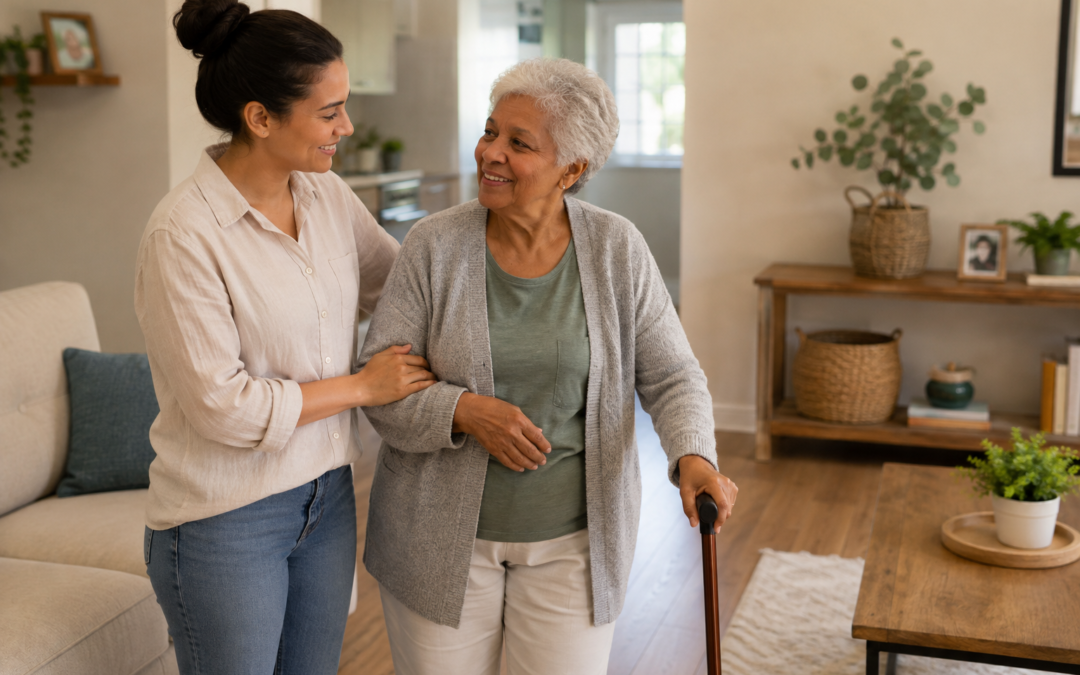
Every year, families find themselves facing the same difficult situation: a loved one experiences a fall, and suddenly everything changes. A trip to the emergency room, a hospital stay, a loss of confidence, or a new fear of moving around independently can create challenges that extend far beyond the initial injury.
While falls are more common among older adults, they are not an unavoidable part of aging. Many falls can be prevented with early awareness, small adjustments around the home, and the right level of support.
Fall prevention should not begin after a fall happens. It should begin before the seasons change, before mobility declines, and before a small safety concern becomes a serious health event.
Taking proactive steps now can help older adults remain safe, comfortable, and independent at home while giving families and caregivers greater peace of mind.
Why Fall Risk Increases During Seasonal Changes
Seasonal transitions can create new challenges for older adults. Changes in weather, routines, and activity levels can all contribute to increased fall risk.
During warmer months, many older adults may become less active due to heat, fatigue, or spending more time indoors. Over time, reduced movement can lead to muscle weakness, decreased balance, and changes in mobility. This process, known as deconditioning, can happen gradually and may not be obvious until everyday activities become more difficult.
When fall arrives, older adults may also face additional challenges, including:
- Cooler temperatures that can affect balance and joint flexibility
- Less daylight, making it harder to see hazards inside and outside the home
- Slippery leaves, wet surfaces, and uneven walkways
- Changes in daily routines that reduce physical activity
- Increased fatigue as the body adjusts to seasonal changes
According to the Centers for Disease Control and Prevention, falls are one of the leading causes of injury among older adults, and many falls can be prevented through safety improvements, physical activity, and regular health discussions. Families can learn more about fall prevention strategies through the CDC’s resources on older adult fall prevention. CDC Older Adult Fall Prevention Resources
The key is recognizing that fall risk does not appear overnight. It often develops slowly through small changes in strength, confidence, and daily habits.
The Home Environment Plays a Major Role in Fall Safety
Many families assume falls happen because someone is “unsteady,” but the home environment itself can often contribute to risk.
A familiar home can still contain hidden hazards. Over time, furniture placement, lighting, clutter, and everyday items may create obstacles that were never a concern before.
A proactive home safety review can identify areas where simple changes may make a significant difference.
Common areas to evaluate include:
Lighting
Poor lighting can make it difficult for older adults to see obstacles, especially when getting up during the night. Adding brighter lighting in hallways, stairways, bathrooms, and entryways can improve visibility.
Nightlights near bedrooms and bathrooms can also help reduce the risk of walking in the dark.
Bathroom Safety
Bathrooms are one of the most common areas where falls occur because wet surfaces can become slippery quickly.
Consider:
- Installing grab bars near showers and toilets
- Using non-slip bath mats
- Keeping frequently used items within easy reach
- Ensuring proper lighting
Pathways and Clutter
Loose rugs, electrical cords, stacks of papers, and crowded walkways can create tripping hazards.
Families should regularly walk through the home from their loved one’s perspective. Ask:
“Could someone with reduced balance safely move through this space?”
Small changes, such as removing a rug or rearranging furniture, may prevent a serious injury.
For additional home safety guidance, the National Institute on Aging provides helpful information about creating safer living environments for older adults. National Institute on Aging Home Safety Resources
Mobility Support Can Reduce Fall Risk
Many older adults hesitate to ask for help because they worry that accepting support means losing independence. However, the right support often allows seniors to remain independent longer.
Mobility assistance is not about taking away independence. It is about creating a safer environment where older adults can continue doing the things they enjoy.
Support may include:
- Walking assistance around the home
- Help navigating stairs or uneven surfaces
- Encouragement to stay active safely
- Assistance with daily routines
- Supervision during higher-risk activities
A trained companion can provide an extra layer of safety while also offering meaningful social interaction.
At Family First Home Companions, our caregivers provide personalized companion care that focuses on helping older adults remain safe and comfortable at home. Through services such as Companion Care at Home, seniors receive support with daily routines, mobility encouragement, and meaningful companionship.
For families who are noticing early changes in balance, confidence, or daily functioning, having someone present can help prevent situations before they become emergencies.
Prevention Is More Effective Than Post-Fall Recovery
A fall can have lasting consequences. Even when an injury does not occur, many older adults experience a loss of confidence afterward.
They may begin avoiding activities they once enjoyed because they are afraid of falling again. This reduced activity can lead to further weakness, creating a cycle that increases future risk.
This is why prevention matters.
Taking action before a fall allows families to focus on maintaining independence rather than recovering from a crisis.
Preventative steps may include:
- Scheduling regular vision and hearing checks
- Reviewing medications with healthcare providers
- Encouraging safe physical activity
- Addressing balance concerns early
- Creating consistent daily routines
- Monitoring changes in mobility
A proactive approach also helps families have important conversations before an emergency occurs.
Instead of waiting until a loved one needs immediate assistance, families can create a plan that supports safety while respecting independence.
Recognizing Early Warning Signs
Falls are often preceded by changes that families may notice but overlook.
Some warning signs include:
- Holding onto furniture while walking
- Difficulty standing from a chair
- Increased hesitation on stairs
- Avoiding activities due to fear of falling
- Shuffling feet while walking
- Changes in posture or balance
- Increased fatigue during normal activities
These changes do not necessarily mean someone can no longer live safely at home. They may simply indicate that additional support or adjustments are needed.
Early conversations with family members, healthcare providers, and care professionals can make a meaningful difference.
Supporting Seniors Through Proactive Fall Prevention
For families and social workers supporting older adults, fall prevention is about more than avoiding injuries. It is about protecting independence, confidence, and quality of life.
A proactive safety plan allows older adults to remain in the environment they know and love while reducing preventable risks.
Whether it is improving home safety, increasing daily activity, or adding companion support, early intervention can help seniors stay stronger and safer throughout the changing seasons.
At Family First Home Companions, we believe that safety begins with awareness and preparation. Our caregivers work alongside families to provide dependable support that helps older adults maintain independence while staying safe at home.
Learn more about our approach to senior safety and personalized care by visiting our Home Care Services page.
Fall prevention does not start after an accident. It starts with the small decisions made today that help protect tomorrow.