
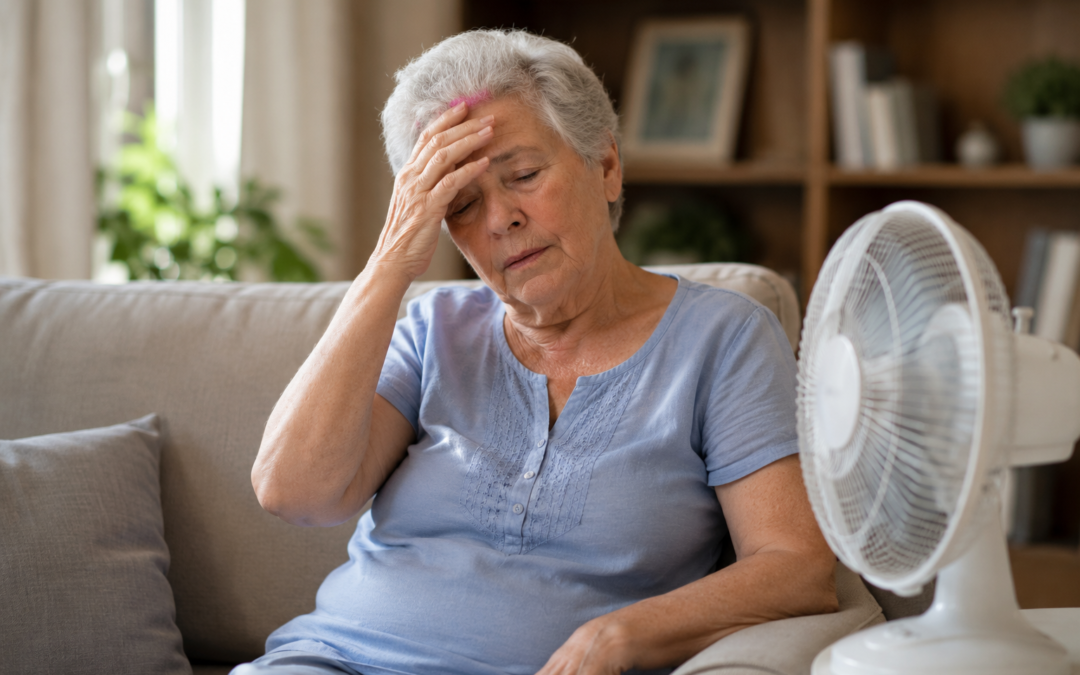
Summer is a season that many people look forward to. Longer days, family gatherings, outdoor activities, and warm sunshine make it one of the most enjoyable times of the year. However, for older adults, rising temperatures can create serious health concerns that are often underestimated.
Every year, extreme heat contributes to thousands of emergency room visits and hospitalizations across the United States. Older adults are among the most vulnerable because the body naturally becomes less efficient at regulating temperature with age. Even healthy seniors can quickly become dehydrated or develop heat related illnesses if proper precautions are not taken.
Understanding why summer heat is dangerous and knowing how to prevent heat related illness can help families keep their loved ones safe throughout the season. Whether your loved one lives independently, receives home care, or has family checking in regularly, taking preventive steps today can help avoid a medical emergency tomorrow.
Why Older Adults Are More Vulnerable to Summer Heat
As we age, our bodies change in ways that make handling high temperatures more difficult. Seniors often sweat less efficiently, making it harder to cool down naturally. They may also have underlying health conditions that affect circulation, heart function, or kidney health, increasing the risk of heat related complications.
Many older adults simply do not feel thirsty as often as they once did. This reduced sense of thirst can lead to dehydration without them realizing they need more fluids.
In addition, chronic medical conditions such as heart disease, diabetes, and kidney disease can make it even more difficult for the body to respond to extreme heat.
According to the Centers for Disease Control and Prevention, older adults face a significantly higher risk of heat related illness, especially during prolonged periods of high temperatures. The combination of age related changes and chronic health conditions makes prevention especially important. You can learn more about heat safety on the CDC Heat and Health page.
Heat Can Lead to Serious Health Problems
When the body cannot cool itself effectively, several health issues can develop rapidly.
Dehydration
Dehydration is one of the most common summer health risks for seniors. Losing fluids through sweating without replacing them can affect nearly every organ in the body.
Signs of dehydration may include:
- Dry mouth
- Fatigue
- Dark colored urine
- Confusion
- Headaches
- Dizziness
- Muscle weakness
Even mild dehydration can increase the risk of falls, urinary tract infections, kidney problems, and hospitalization.
Heat Exhaustion
Heat exhaustion develops when the body begins overheating. Symptoms may include:
- Heavy sweating
- Weakness
- Nausea
- Cool, clammy skin
- Rapid heartbeat
- Lightheadedness
Without prompt treatment, heat exhaustion can progress to heat stroke.
Heat Stroke
Heat stroke is a life threatening medical emergency.
Symptoms include:
- High body temperature
- Confusion
- Loss of consciousness
- Hot, dry skin
- Rapid pulse
If heat stroke is suspected, call 911 immediately and move the person to a cooler environment while waiting for emergency responders.
Medications Can Increase Heat Sensitivity
Many families are surprised to learn that common prescription medications can make seniors more vulnerable during hot weather.
Some medications interfere with the body’s ability to regulate temperature, while others increase fluid loss or reduce the sensation of thirst.
Examples include:
- Diuretics
- Blood pressure medications
- Certain antidepressants
- Antihistamines
- Some medications used to treat Parkinson’s disease
- Certain medications prescribed for heart conditions
These medications may increase sweating, decrease sweating, lower blood pressure, or contribute to dehydration.
The National Institute on Aging recommends reviewing medications with a physician or pharmacist before periods of extreme heat to understand any additional precautions that may be needed. Additional guidance is available through the National Institute on Aging Heat Safety Resource.
Never stop or adjust medications without consulting a healthcare provider.
Reduced Appetite and Fluid Intake Are Common
Hot weather often causes people to eat less. While lighter meals are perfectly normal during the summer, reduced food intake can also mean consuming less water through fruits, vegetables, and other hydrating foods.
Many seniors also intentionally limit fluids because they worry about frequent trips to the bathroom or concerns about incontinence. Unfortunately, this increases the risk of dehydration even further.
Encourage your loved one to drink fluids consistently throughout the day rather than waiting until they feel thirsty.
Good hydration options include:
- Water
- Low sugar electrolyte beverages
- Milk
- Herbal tea served cold
- Watermelon
- Cucumbers
- Strawberries
- Oranges
- Soup during cooler evenings
If your loved one has heart failure or kidney disease, speak with their physician regarding appropriate daily fluid intake.
Caregiver Monitoring Can Prevent Emergencies
One of the most effective ways to protect older adults during heat waves is consistent monitoring.
Whether care is provided by family members or professional caregivers, regular check ins allow someone to recognize small changes before they become serious problems.
Caregivers can monitor:
- Fluid intake
- Indoor temperature
- Signs of confusion
- Changes in balance
- Appetite
- Medication compliance
- General energy levels
Sometimes subtle symptoms like increased fatigue or mild dizziness are the first warning signs that an older adult is becoming dehydrated.
Having someone available to notice these changes can prevent unnecessary hospital visits.
If your loved one lives alone, consider increasing phone calls or in person visits during periods of extreme heat.
Practical Summer Safety Tips for Older Adults
Fortunately, many heat related illnesses are preventable with simple daily habits.
Encourage your loved one to:
- Drink water consistently throughout the day.
- Wear lightweight, loose-fitting clothing.
- Stay indoors during the hottest hours, typically between late morning and early evening.
- Use air conditioning whenever possible.
- Take cool showers if they begin feeling overheated.
- Keep blinds or curtains closed during the afternoon.
- Avoid strenuous outdoor activities during extreme heat.
- Eat smaller, nutritious meals throughout the day.
- Check weather forecasts before planning outdoor activities.
- Use fans to improve air circulation, although fans alone may not prevent heat illness during extreme temperatures.
Families should also know where their loved one will go if their home loses power during a heat wave.
When Should Families Become Concerned?
It can sometimes be difficult to tell whether an older adult is simply tired from the heat or experiencing the early stages of heat illness.
Seek medical attention if your loved one experiences:
- Persistent vomiting
- Confusion
- Difficulty walking
- Fainting
- Chest pain
- Difficulty breathing
- High fever
- Severe weakness
Trust your instincts. If something seems unusual, contact a healthcare provider promptly.
Early treatment often prevents more serious complications.
Home Care Provides an Extra Layer of Protection
Professional home companions play an important role during the summer months by helping seniors remain safe and comfortable at home.
At Family First Home Companions, our caregivers assist with hydration reminders, meal preparation, companionship, safety monitoring, and observing changes that families may not notice during brief visits.
Having someone regularly present provides reassurance for both seniors and their loved ones, especially during periods of excessive heat.
Whether your loved one needs a few hours of support each week or around the clock assistance, proactive care can make a meaningful difference in maintaining health and independence.
If you are beginning to notice changes in your loved one’s ability to manage daily activities, learn more about our Companion Care Services and how personalized support can help them remain safe at home.
Families concerned about overall safety may also benefit from our CareMatch Plus Wellness Check Program, which provides regular check ins designed to identify concerns before they become emergencies.
Final Thoughts
Summer should be a time for making memories, not managing preventable medical emergencies.
Older adults face unique challenges during periods of extreme heat, but with preparation, regular monitoring, proper hydration, and early intervention, families can significantly reduce the risk of dehydration, heat exhaustion, and hospitalization.
If you have concerns about your loved one’s safety during the summer months, do not wait until a crisis occurs. A simple conversation today can help ensure they remain healthy, comfortable, and independent throughout the season.